These casts were made in June, and then worked on throughout the project. The bodycasting process used here was completed in the following stages:
- The area to be casted is prepared with petroleum jelly, to ensure that nothing gets stuck to the skin.
- Plaster bandages are soaked in water, and then laid in strips over the area to be casted.
- Once three or four layers of plaster bandages have been placed, the cast is left to dry on the body.
- When the cast is dry, it will start to separate from the skin, and can be taken off with ease, leaving a negative cast.
- To create a positive cast,which are the more solid casts on display, the negative cast gets filled with liquid plaster, which is then left to dry, and the negative cast can be removed to reveal a solid plaster artwork, called a positive cast.
The bodycasting sessions were focused around considering the body post-surgery, and all of the associations that went along with it. For many of us, the way we looked at our bodies, and the way we experienced being looked at, had changed completely after surgery. This was the same with how we experienced touch, due to changed sensation. The process of bodycasting engaged both of these senses, recontextualising them away from a medical setting, and instead placing them within an atmosphere of solidarity and empowerment. Our bodies became the artwork, rather than a faulty vessel.
Click on any of the images below to learn more.
Alex,
2024

Mary,
2024
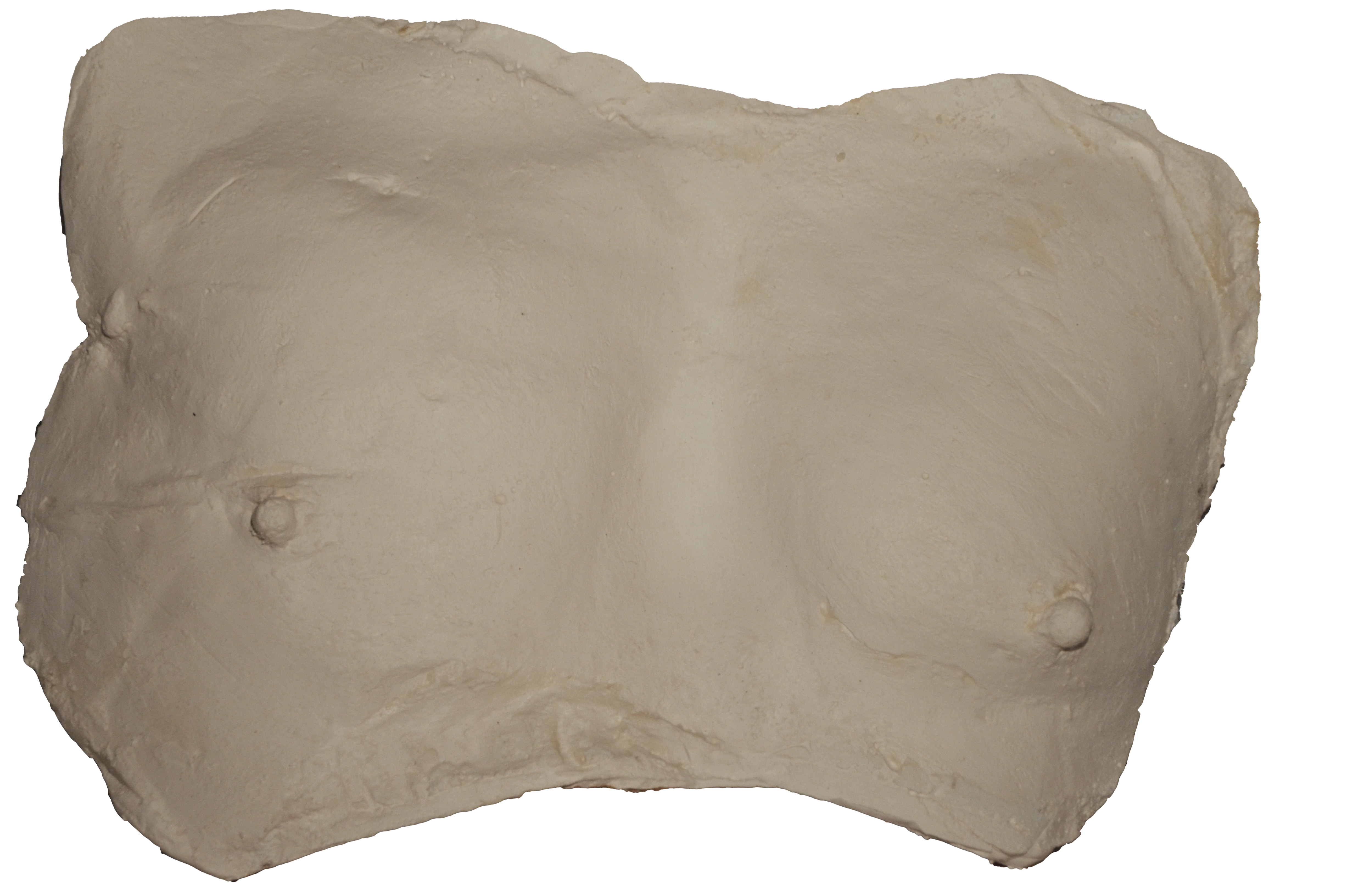
Frankie, Healing,
2024
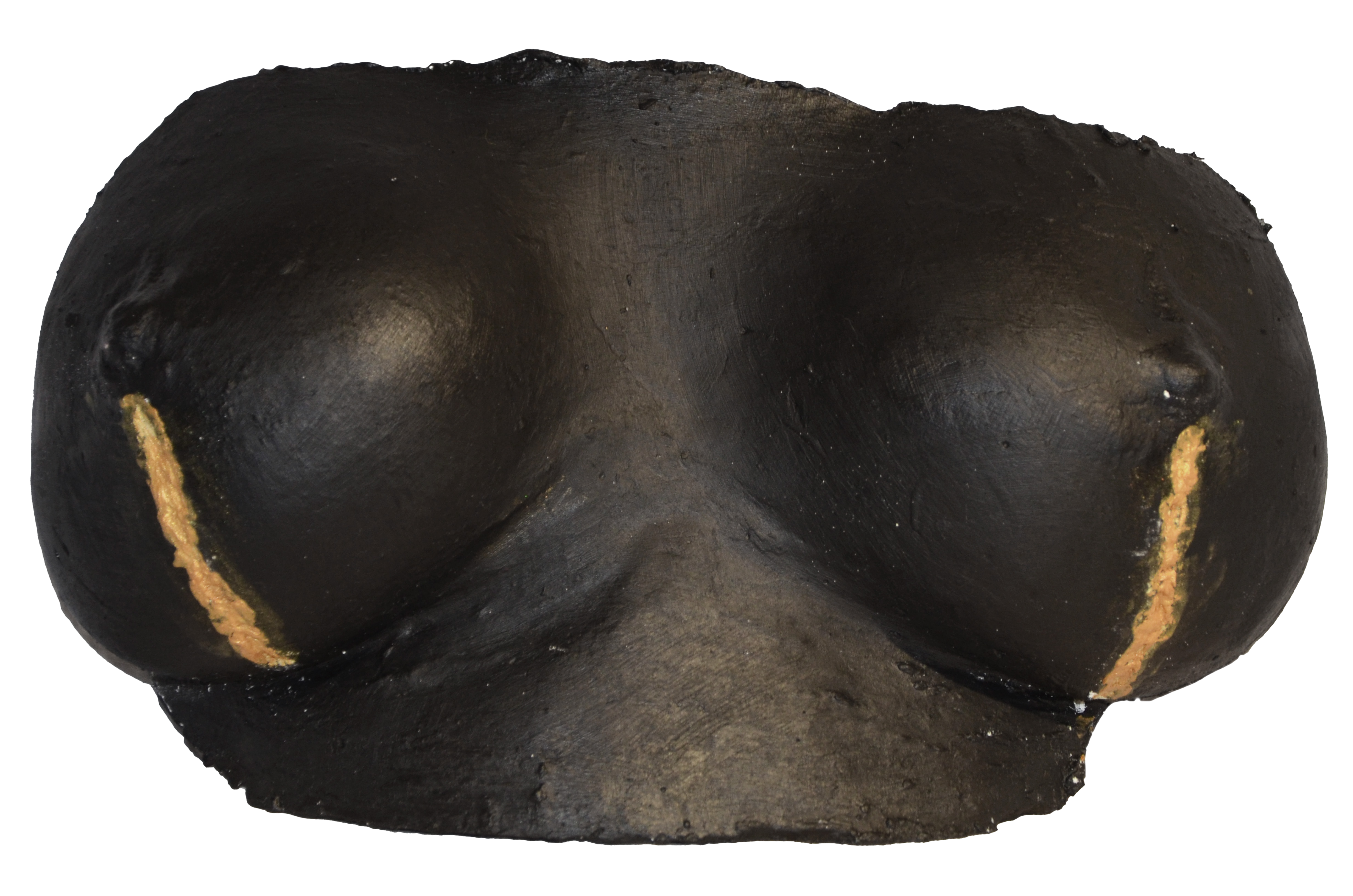
Frankie, Once upon a time, 2023
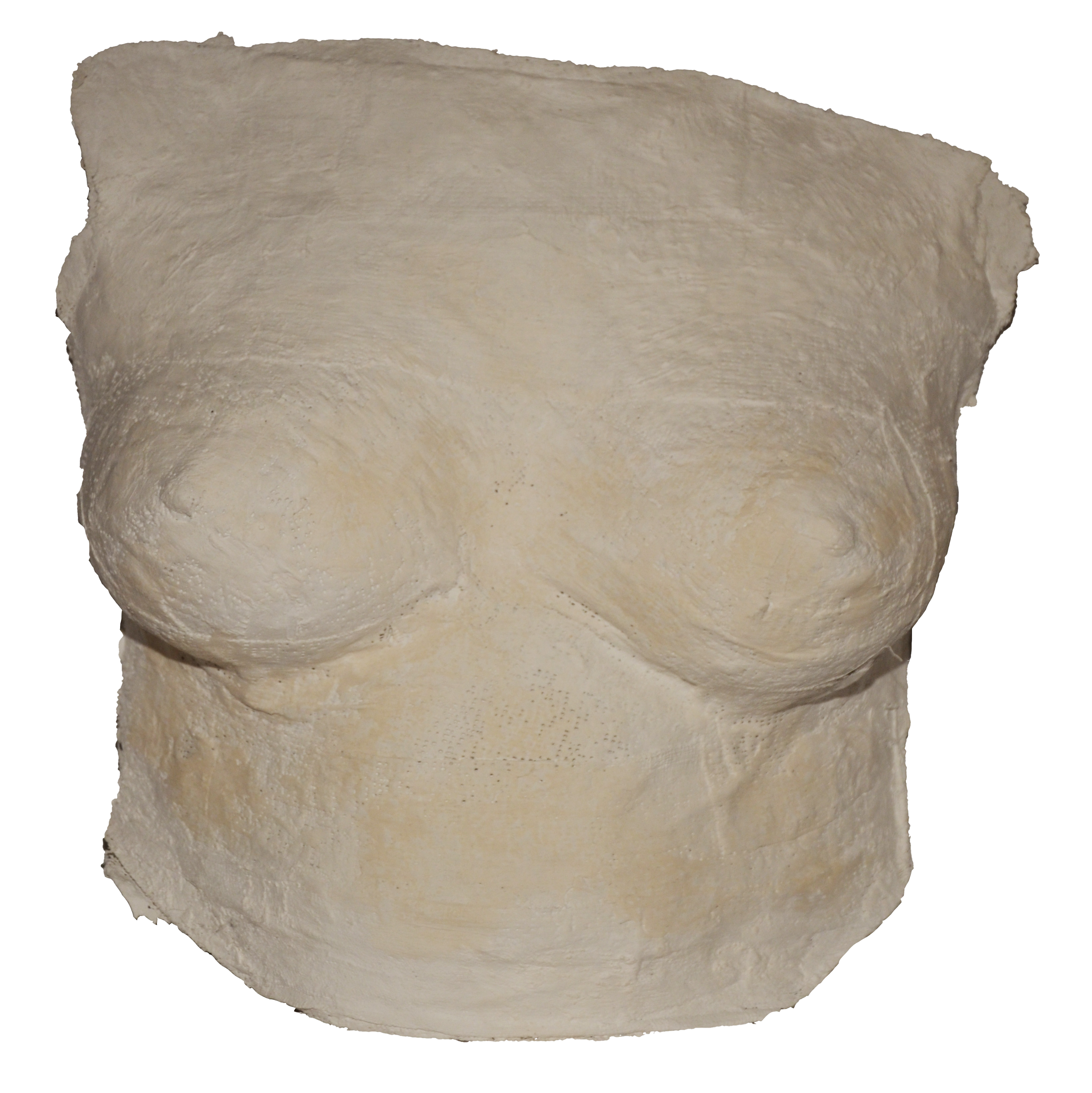
Katherine,
2024
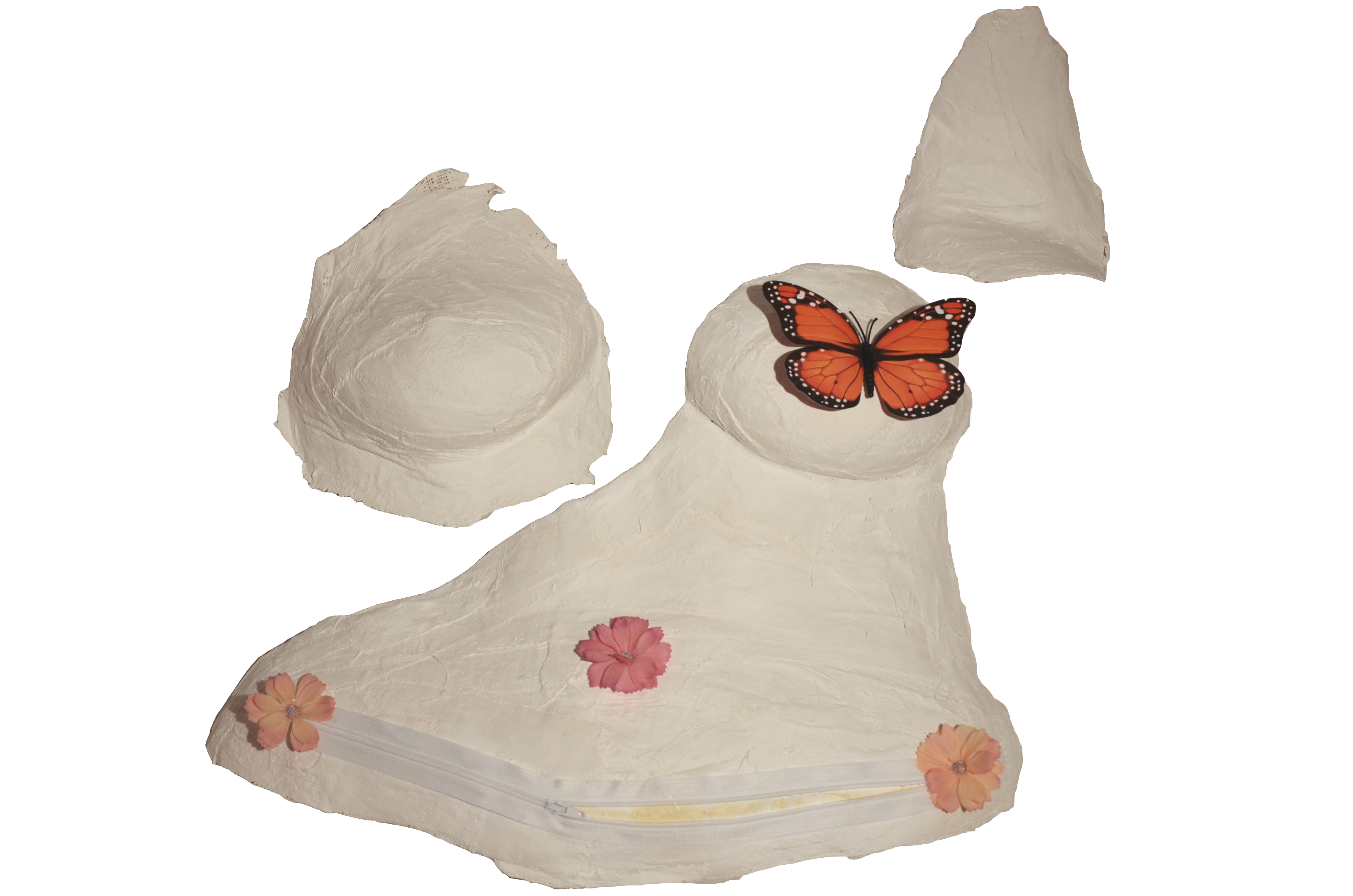
Penny, Aphrodented, 2024
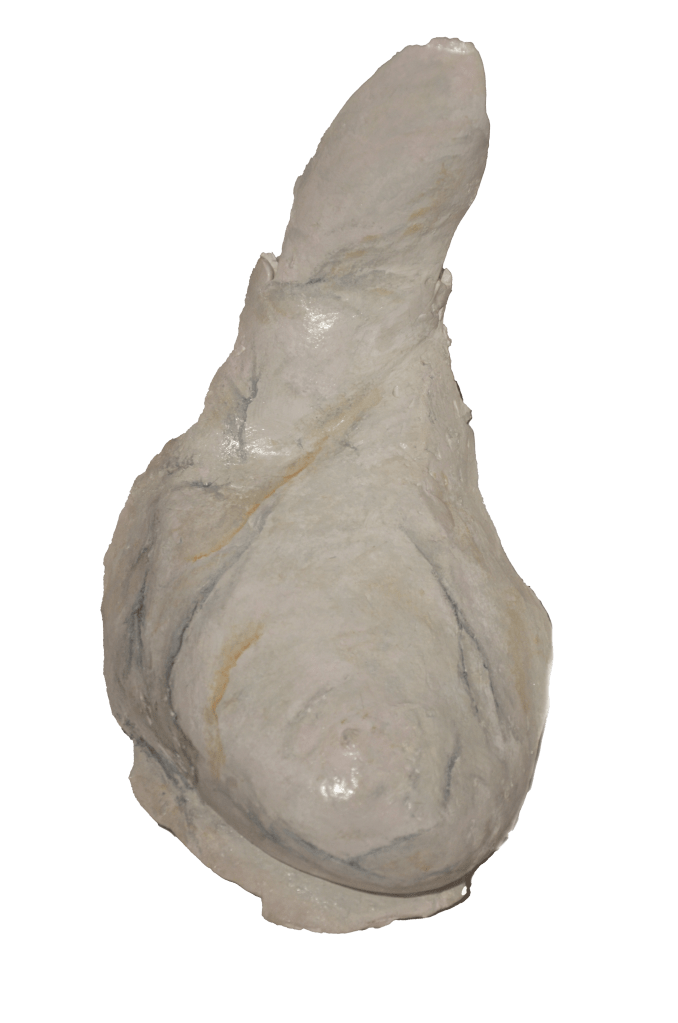
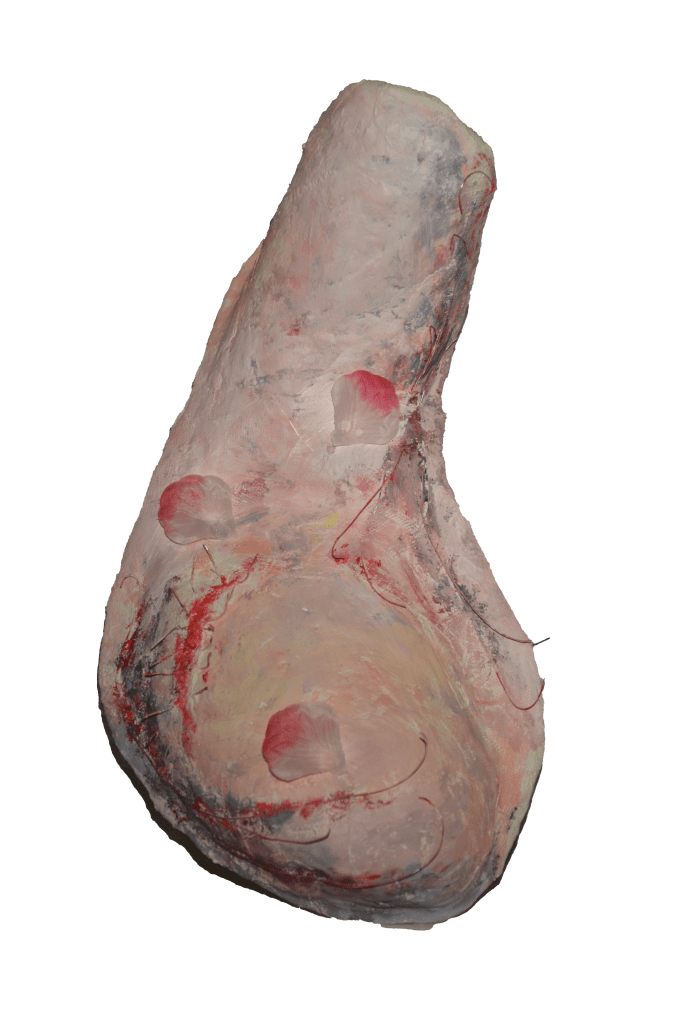
Sarah,
2024
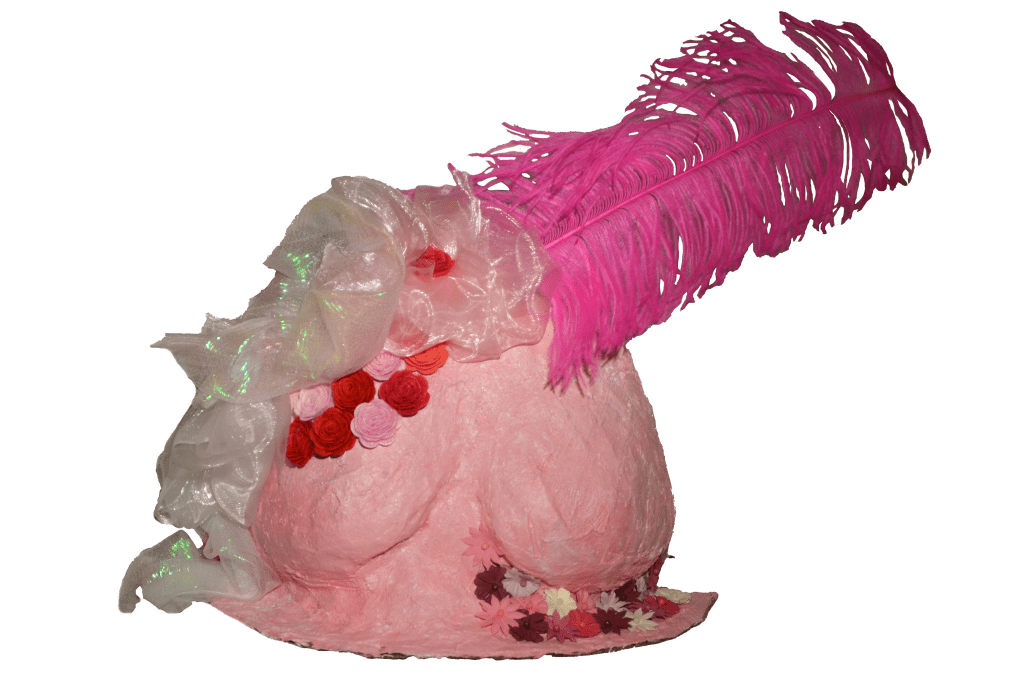
Sarah,
2024

Copyright Information
The artworks on this page are protected under copyright. Please check each artwork page to view the proper accreditation for each piece.
 Empowered Journeys